Clinical research and practice are constantly evolving in the world of Traditional Chinese Medicine (TCM), but its origins can be traced back to thousands of years ago. Long before detailed acupuncture point charts and herbal medicine texts were written, the basic principles of TCM theory were born in the I Ching. The I Ching, or […]
Read More

Traditional Chinese understandings of our world’s natural cycles categorise the five seasons according to specific climates. Summer is related to Heat, late summer to Humidity, autumn to Drought, and winter and spring to Cold Wind. All climates are seen during all seasons, but their manifestations are stronger in the matching ones. Just as in nature, […]
Read More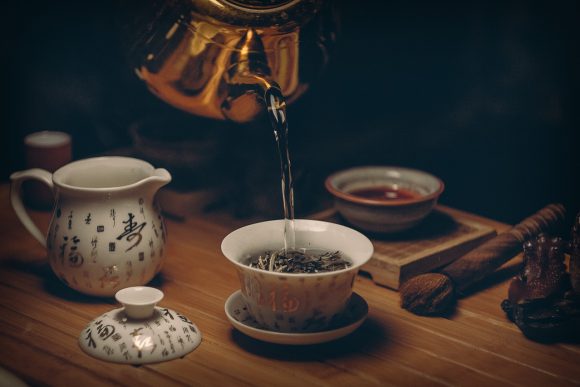
Tea, which has been enjoyed in China for well over 2,000 years, is available in many different forms depending on the level of fermentation. Green tea is unfermented, while yellow, white, oolong and black tea are slightly, mildly, semi- and completely fermented respectively. Dark teas, such as Pu’erh, are post-fermented. This fermentation not only affects […]
Read More
In ancient China, it was believed that babies should be exposed to music while still in the womb to boost their intellect. Though this might sound strange at first glance, there could be modern scientific evidence to back it up! Musical development has demonstrated several positive effects on brain development, such as improved sensory and […]
Read More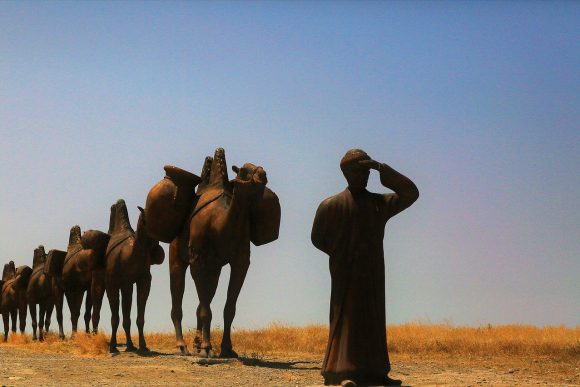
Tea is one of the most popular drinks in the world, consumed by more than two-thirds of people globally. While it most likely originated much earlier, the earliest clear written evidence of tea drinking dates back to 59 BC, from China’s Western Han dynasty. It turns out that tea’s journey to world domination also started […]
Read More
Welcome to winter 2020, the world’s a little topsy turvy at the moment and hopefully you’ve taken advantage of the self isolation and interruption to life as we knew it, to clean out any piles of paperwork, corners of junk, cupboards of bric-a-brac and sheds of rubbish you might have had. In order to welcome […]
Read More
We are heading into winter now and the big questions people are asking themselves. How will COVID-19 impact me as we come out of isolation? Is there going to be a second round? Why do some people have COVID-19 and not get any symptoms? Could I have had it and not have known? These are very […]
Read More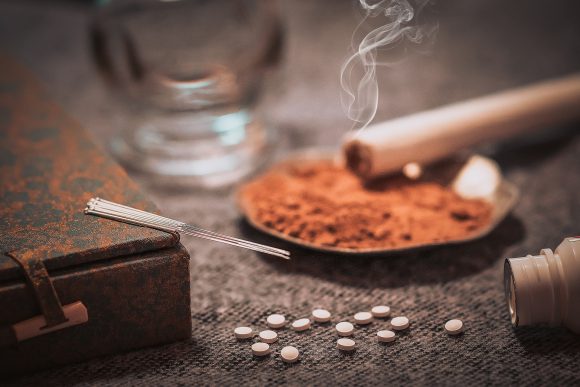
We now know acupuncture needles as thin, disposable metal items, but they weren’t always around in this form. While metalwork dates back to 4500 BC in some areas of China, medical tools weren’t the top priority of ancient artisans. Small tools and decorative items such as earrings make up the vast majority of metalwork from […]
Read More
Could acupuncture have existed in ancient Europe? Mapping and analysis of the tattoos on Europe’s most well-known mummy, “Otzi” the Iceman, suggests that a primitive version of the therapy may have been known over 5,200 years ago. While they’re a lot harder to see now, medical imaging found a total of 61 tattoos that can […]
Read More
We see the symbol of Yin and Yang everywhere, from martial arts school flyers to T-shirts and even Traditional Chinese Medicine (TCM) theory, but what does it mean? The world-famous symbol depicts two opposing forces, Yin and Yang, that cannot exist without each other. In fact, they both carry a seed of the other, hence […]
Read More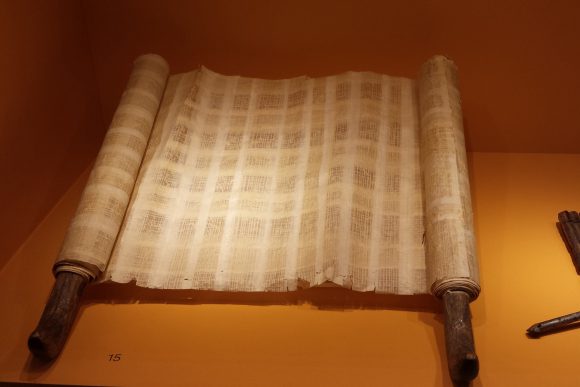
Acupuncture has come a long way from its ancient origins. One of the earliest known texts related to the therapy is a pair of Silk Scrolls, uncovered from Han Tomb No. 3 in Changsha, China. This tomb was built in 168 BC, meaning the text is older than the first “official” classical work, the Nei […]
Read More